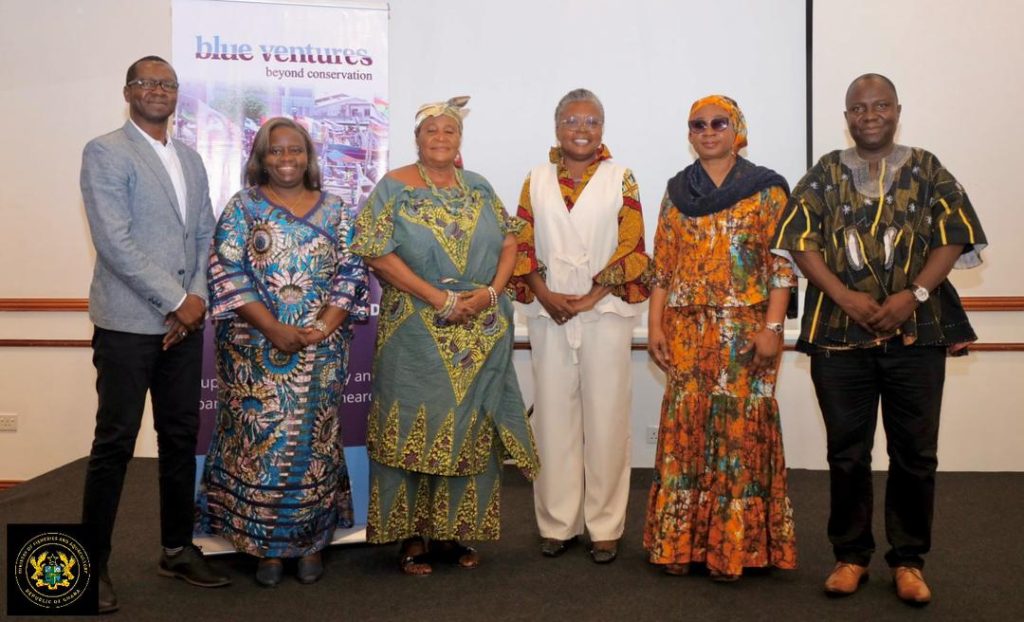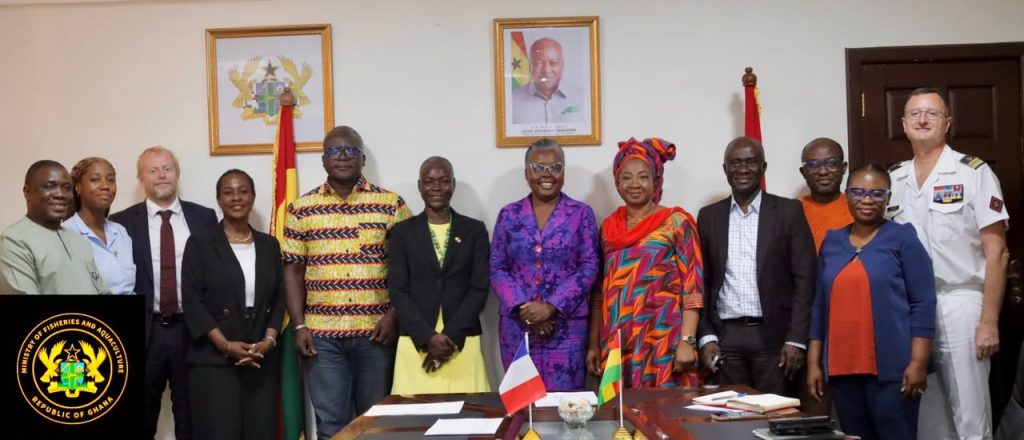
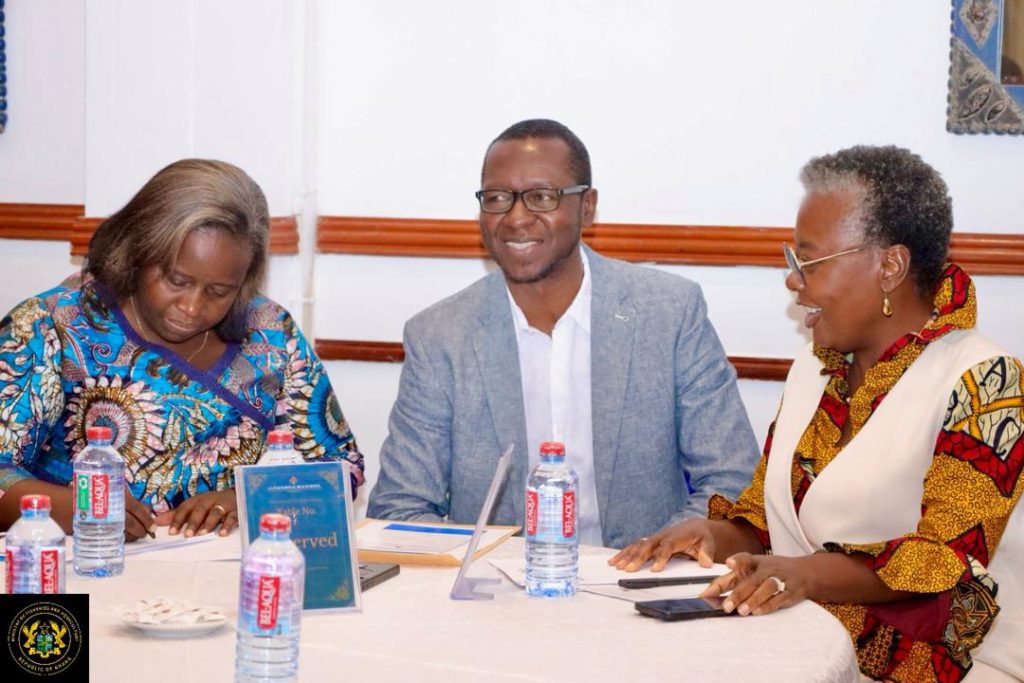
The Ministry of Fisheries and Aquaculture, in partnership with Blue Ventures Conservation, has held a multi-stakeholder engagement workshop in Accra to highlight ongoing programmes aimed at strengthening Ghana’s fisheries sector.
The workshop, which took place at the La Palm Royal Beach Hotel, brought together stakeholders from across the fisheries sector, including industry players, academia, and development partners, to discuss collaborative efforts toward sustainable fisheries management and coastal community development.
Blue Ventures, an international organisation focused on rebuilding tropical fisheries, works closely with coastal communities to support the protection and sustainable management of marine resources. Its programmes in West Africa are designed to empower communities through improved monitoring, surveillance, and data collection, while also strengthening governance, transparency, and resource rights. The organisation also promotes financial resilience through savings and alternative livelihoods, supports food security and nutrition, and amplifies community voices—particularly those of women.
Speaking at the event, the Chief Executive Officer of Blue Ventures, Ebrima Saidy, commended the Minister for Fisheries and Aquaculture and her team for their dedication and leadership in advancing the sector. He reaffirmed the organisation’s commitment to supporting Ghana’s fisheries sector and called for deeper collaboration between stakeholders to ensure alignment of priorities and sustained impact. He also acknowledged the significant progress made so far, noting that it demonstrates Ghana’s readiness to achieve even greater milestones.
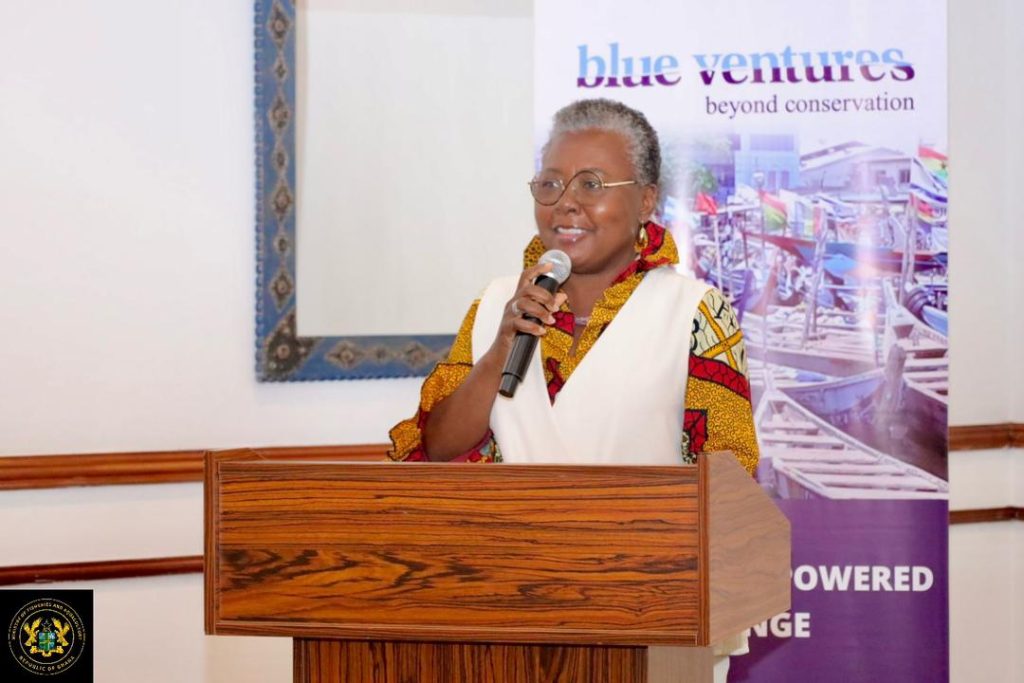
In her keynote address, the Minister for Fisheries and Aquaculture, Hon. Emelia Arthur, emphasized that the programme marks a shift toward co-management—an approach that brings together government, communities, and partners to jointly manage fisheries resources. She stressed that sustainable fisheries cannot be achieved by government alone.
The Minister outlined government’s key priorities, including strengthening governance and enforcement, improving data for informed decision-making, empowering communities—especially women and youth—protecting marine ecosystems, and promoting sustainable livelihoods beyond fishing.
She described the initiative as a call to action, urging government, partners, and communities to play their respective roles. Government, she said, will provide leadership; partners must align with national priorities; and communities must embrace stewardship.
Hon. Arthur added that the engagement marks the beginning of a critical journey toward restoring fish stocks, building resilient coastal communities, and advancing a thriving blue economy in Ghana.