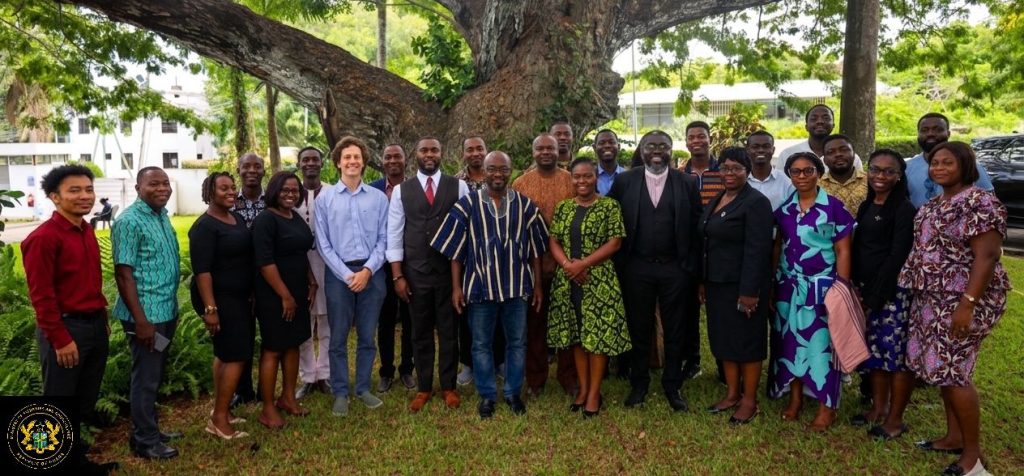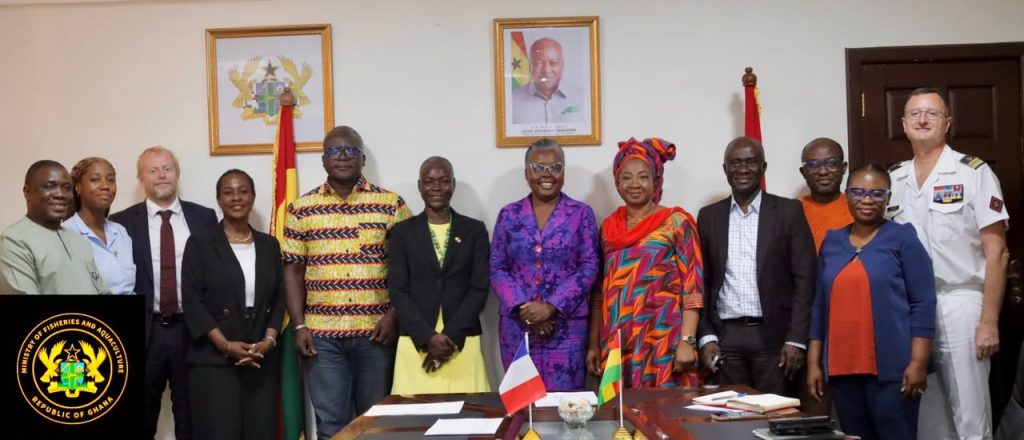
Ghana has taken a significant step forward in the development of its Blue Economy Policy, following a high-level technical review of the policy’s zero draft by the Blue Economy Policy Committee.
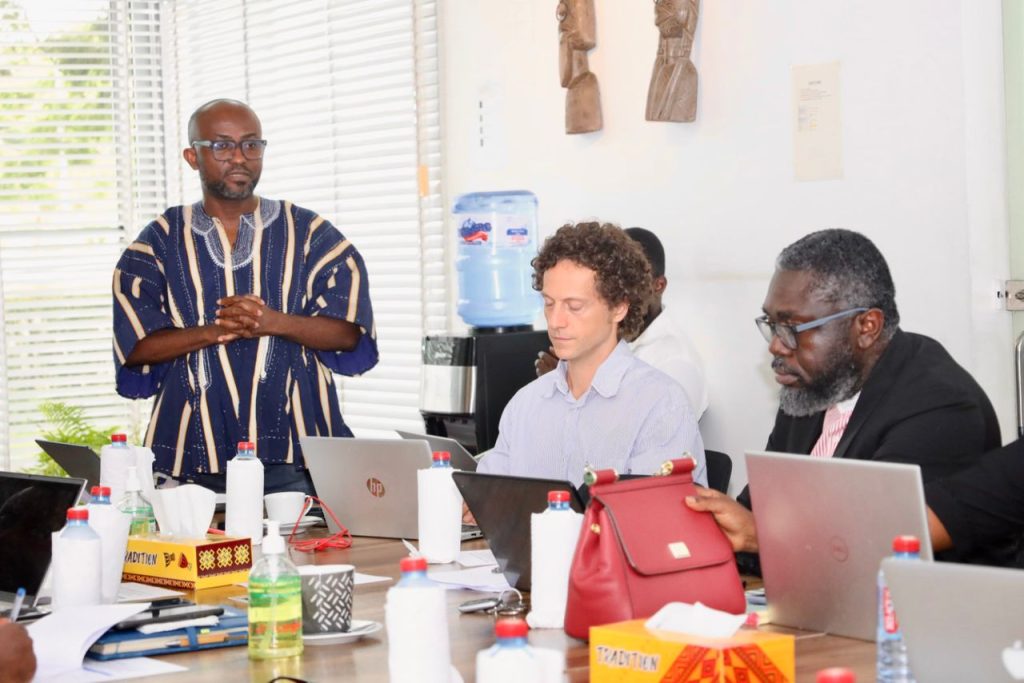
The session, held on April 16, brought together key stakeholders including experts from the University of Ghana School of Law Ocean Governance Project and the Tony Blair Institute for Global Change, as part of efforts to refine the policy framework ahead of national validation.
The technical review focused on strengthening the policy’s structure, legal coherence, and governance architecture. The University of Ghana team provided critical guidance on institutional alignment and ensuring compliance with both national and international legal frameworks.
Discussions during the session covered structural analysis, legal and governance assessments, as well as international benchmarking to ensure the policy reflects global best practices in ocean governance and sustainable resource management.
The Tony Blair Institute for Global Change, which hosted the meeting, also assessed the financial implications of the proposed policy and expressed its commitment to supporting the Committee in evaluating implementation feasibility and investment prospects.
Coordinator of the Blue Economy Secretariat, Fred K. Antwi-Boadu, speaking on behalf of the Minister for Fisheries and Aquaculture and the Blue Economy Committee, expressed appreciation to key contributors, including Godwin Djokoto, Oliver Barker Vormawor, Benedicta Armah, and the TBI team for their technical input and commitment to the process.
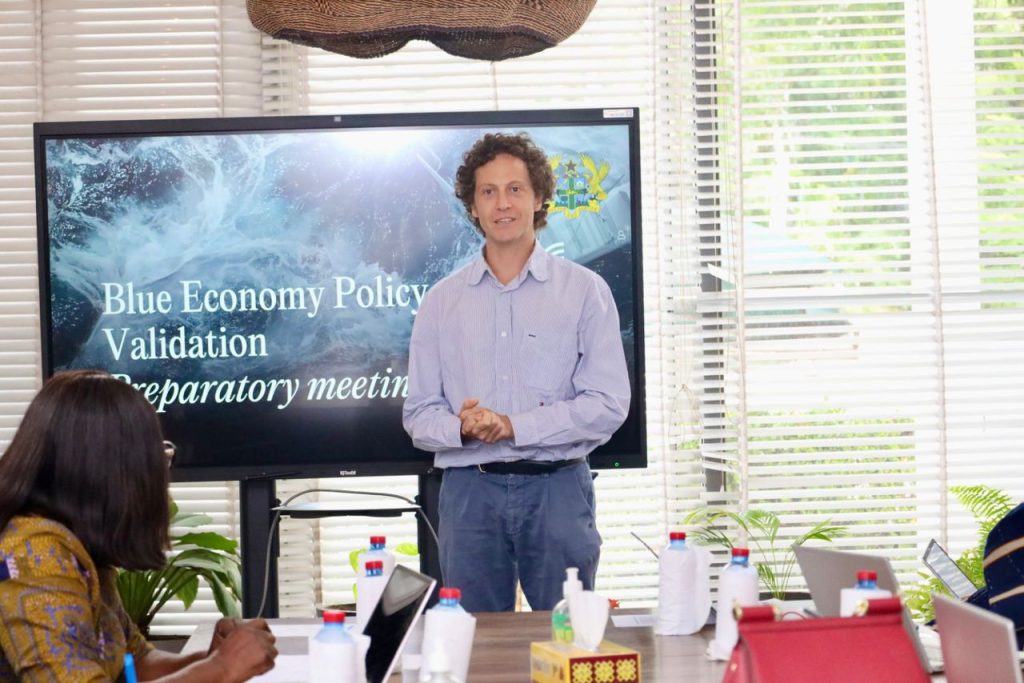
He noted that insights from the session, combined with broader stakeholder consultations, will play a critical role in shaping the final Blue Economy Policy.
The next major step in the process will be the National Stakeholder Validation Workshop scheduled for April 20, 2026. The workshop will be co-sponsored by the University of Ghana School of Law Ocean Governance Project and the Tony Blair Institute for Global Change, with funding support from the Government of Norway.
The ongoing policy development forms part of Ghana’s broader efforts to establish a comprehensive and inclusive framework for the sustainable management of its marine and freshwater resources, while promoting economic growth, environmental protection, and improved livelihoods for coastal communities.