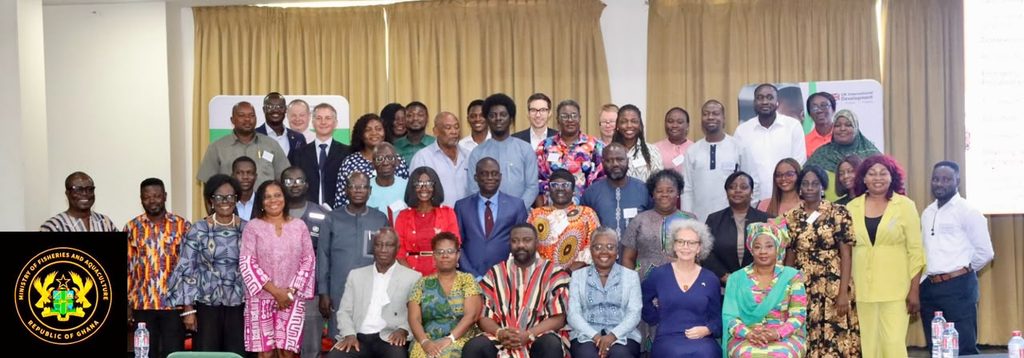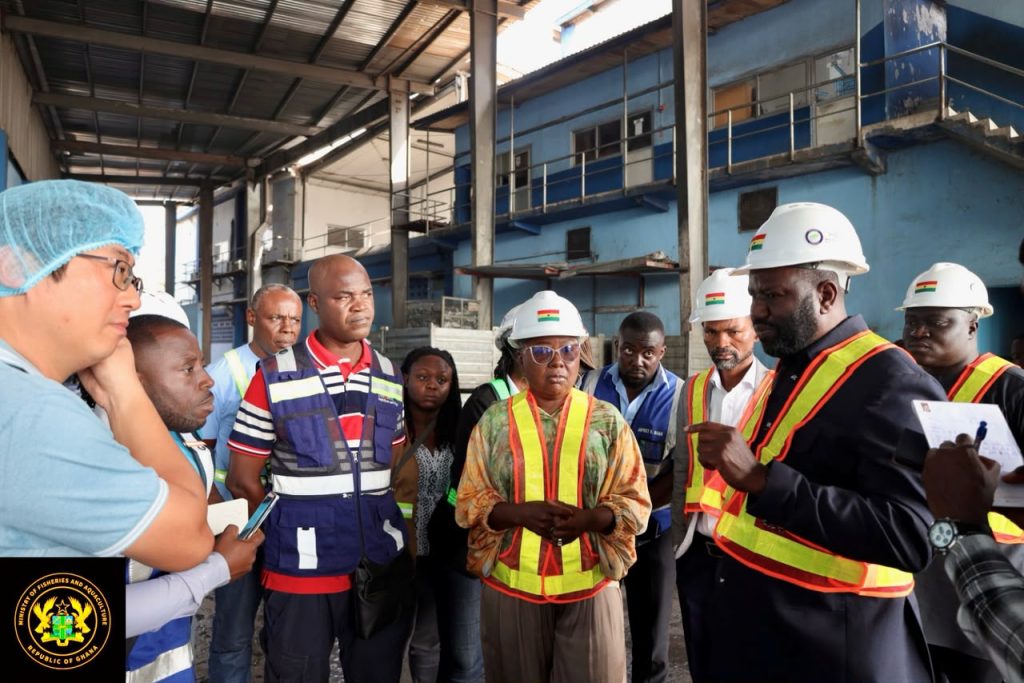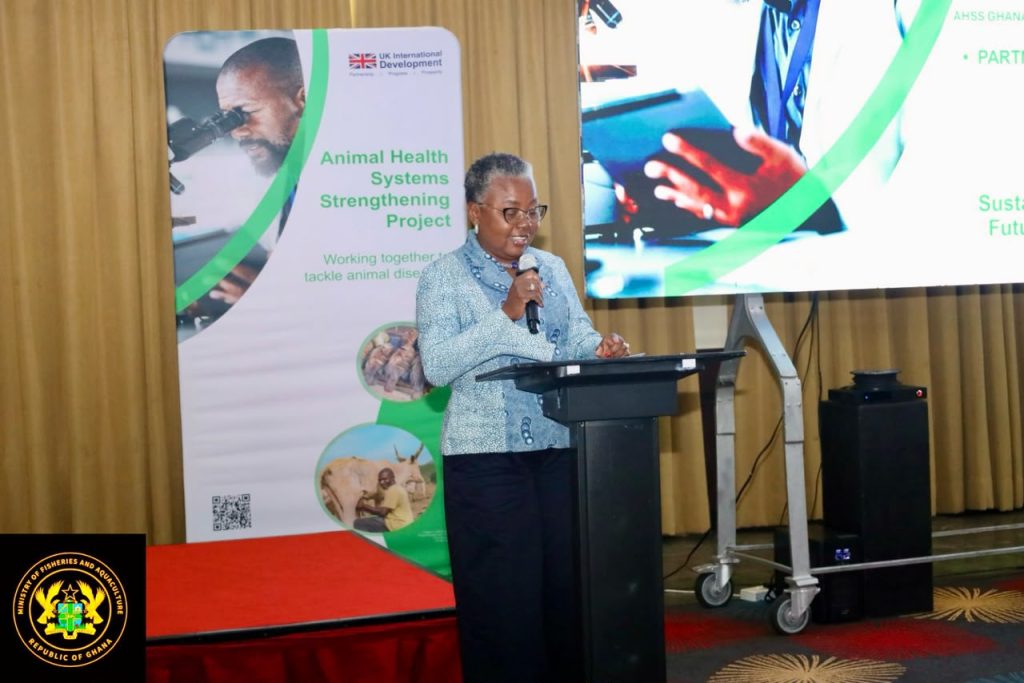

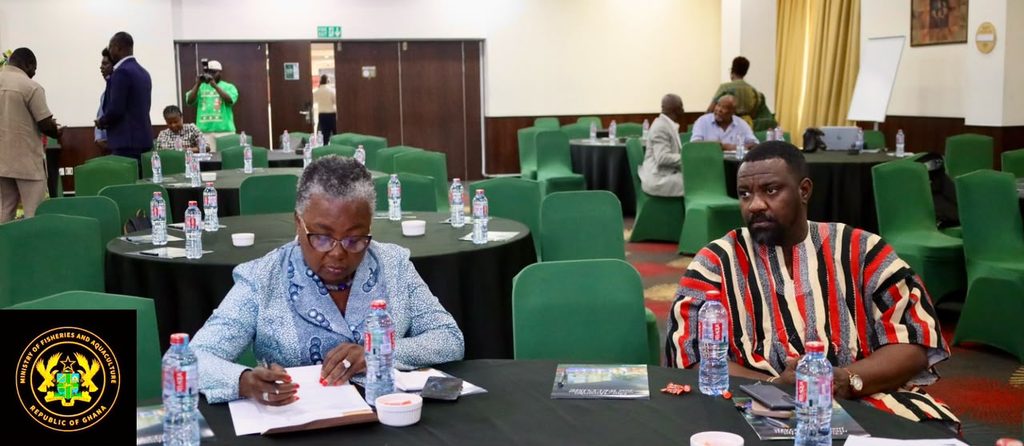
The Minister for Fisheries and Aquaculture, Hon. Emelia Arthur, in her keynote address, stressed the need for Ghana to sustain the gains made under the programme by strengthening disease surveillance, improving emergency response and integrating biosecurity into aquaculture development.
She noted that the programme had enhanced the capacity of fisheries officers, veterinarians and laboratory personnel in disease detection, investigation and response, including preparedness for threats such as Infectious Spleen and Kidney Necrosis Virus (ISKNV) and Epizootic Ulcerative Syndrome (EUS).
Hon. Emelia Arthur also called for sustained financing, stronger collaboration among fisheries authorities, veterinary services, laboratories, research institutions and border agencies, as well as the integration of the skills developed under the programme into institutional work plans and budgets.
The Minister acknowledged the support of the Government of the United Kingdom, the Department for Environment, Food and Rural Affairs (Defra), the Centre for Environment, Fisheries and Aquaculture Science (Cefas) and other implementing partners. She stressed that the programme’s closure must mark Ghana’s commitment to taking ownership of its achievements and ensuring that the progress made translates into lasting improvements in aquatic animal health.
The AHSS National Lead, Dr. William Adu, also emphasised the need for a clear roadmap and a sustainable plan to strengthen animal health systems and maintain the programme’s gains beyond its closure.
The event highlighted the need for sustained collaboration, strategic planning and institutional commitment to build on the programme’s achievements and strengthen Ghana’s aquatic animal health systems to support sustainable aquaculture.