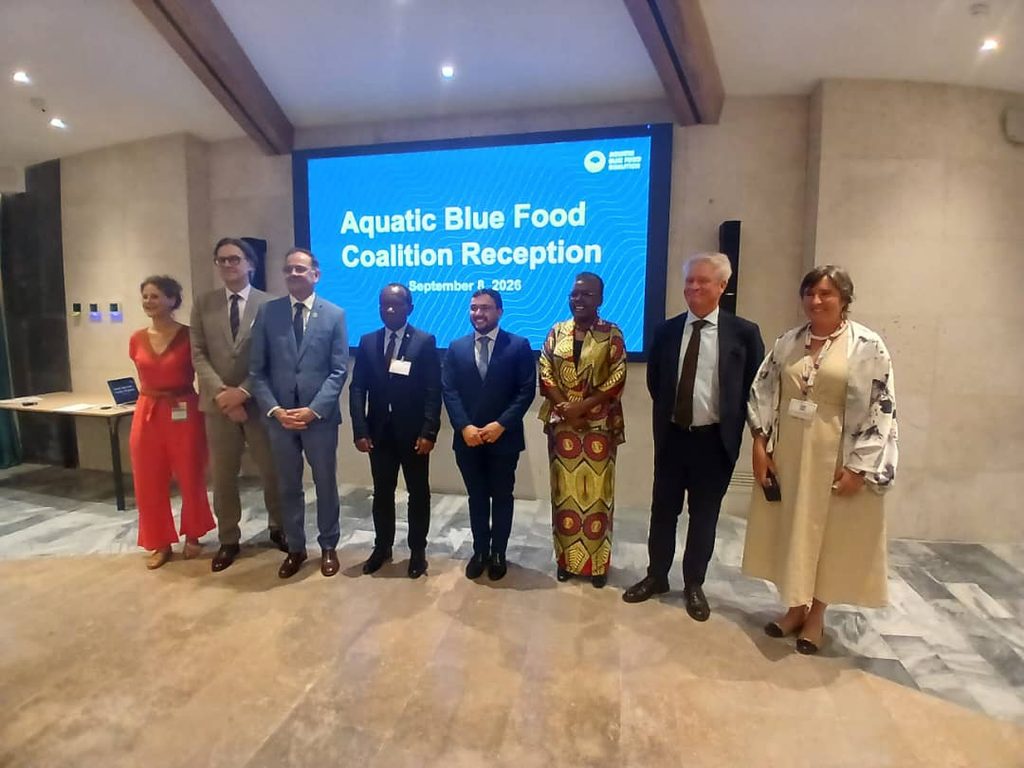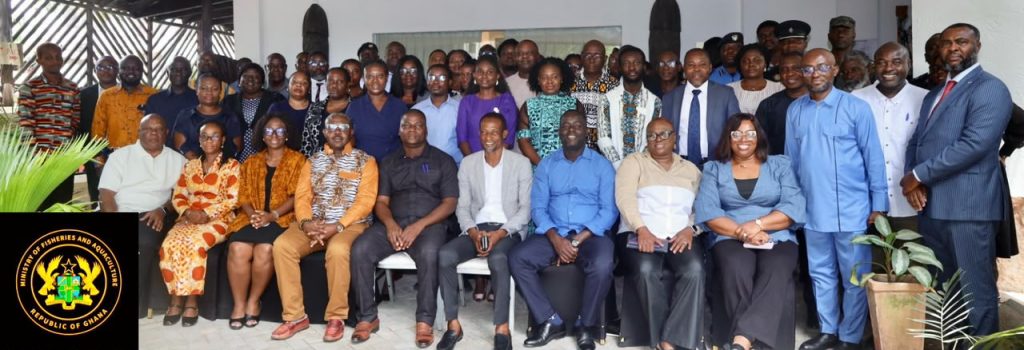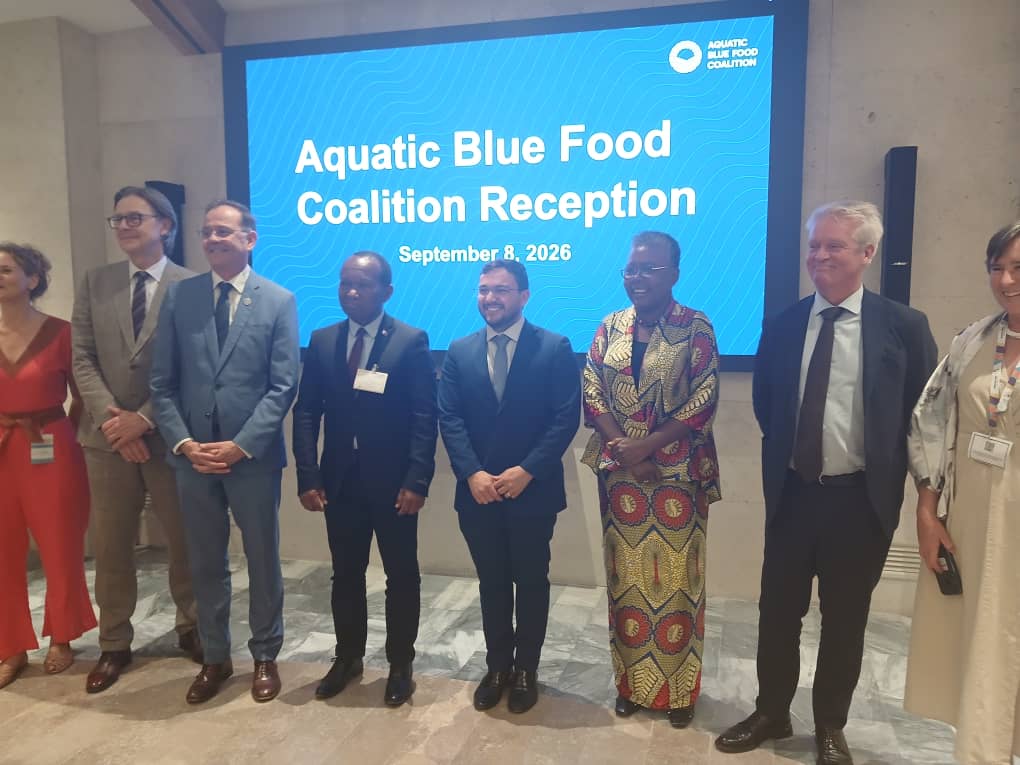

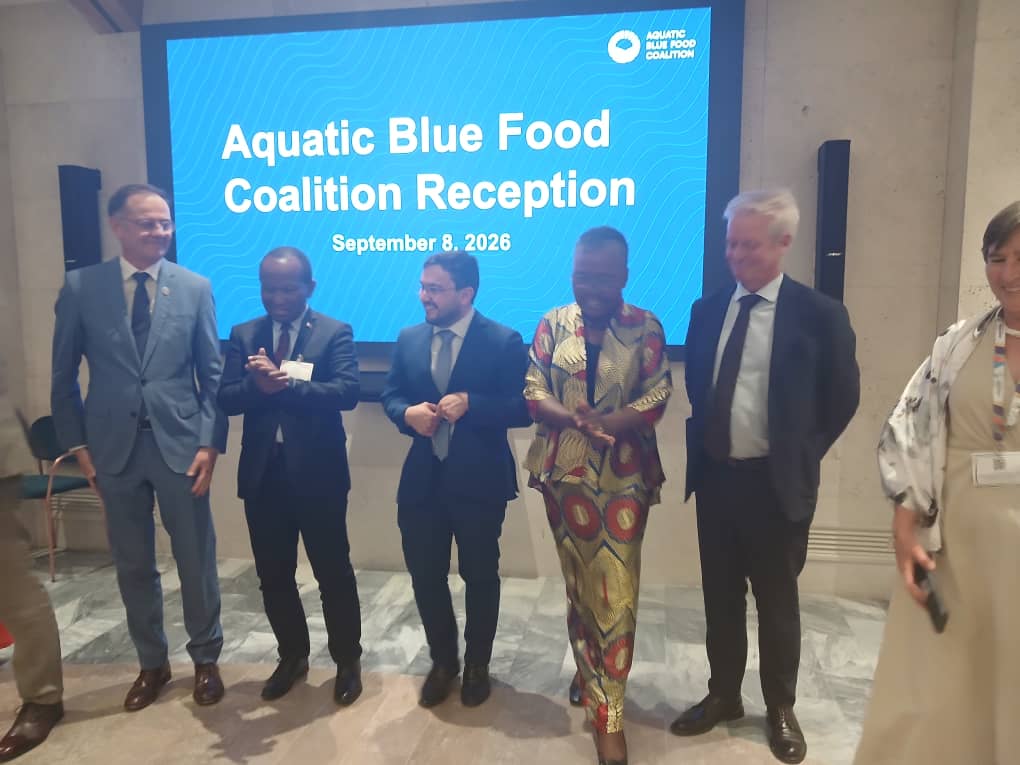
Speaking before world leaders at the 37th Session of the FAO Committee on Fisheries (COFI) in Rome, Ghana’s Minister for Fisheries and Aquaculture, Hon. Emelia Arthur (MP), issued a bold rallying cry for the continent: Africa possesses both the untapped capacity and the urgent responsibility to scale up its sustainable aquatic food production.
Addressing the global assembly, Minister Arthur aligned Ghana with the UN Food and Agriculture Organization’s (FAO) Blue Transformation Agenda, insisting that the global community must turn scientific research into bold, actionable strategies to fight hunger and jumpstart blue economies across developing nations.
“Africa’s aquatic food production should—and can—be increased,” Minister Arthur declared, pushing world leaders to back the continent’s fisheries with real capital and technology.
The Numbers Behind the Crisis and Opportunity
Fish is far more than a staple on Ghanaian dinner plates—it is the bedrock of national food security and coastal livelihoods. However, stark data released alongside the minister’s address highlights a critical divergence between marine success and inland struggles:
3,000,000+ Ghanaians who depend directly or indirectly on the fisheries and aquaculture value chain.
60% of total animal protein in the Ghanaian diet provided by aquatic foods.
20–25 kg per capita annual fish consumption in Ghana.
442,000 Metric Tonnes of marine fish produced in 2024 (up from ~425,000 MT in 2023).
Declining Inland Yields: Freshwater capture fisheries face severe drops due to illegal overfishing, habitat destruction, and climate stress.
Inside Ghana’s “Blue Reset”
To reverse these ecological and economic threats, Ghana has initiated an aggressive structural overhaul of its marine and freshwater sectors.
Minister Arthur laid out key legislative, spatial, and community-centered milestones already in motion:
The Fisheries and Aquaculture Act, 2025 (Act 1146): Enacted to drastically strengthen maritime enforcement, create dedicated aquaculture zones, and double the Inshore Exclusion Zone from 6 to 12 nautical miles to protect small-scale, artisanal canoes from industrial trawlers.
Greater Cape Three Points Marine Protected Area (MPA): Established in April 2026, this landmark reserve covers 704 square kilometers and directly safeguards biodiversity across 21 coastal communities.
Combating Illegal Fishing: Accelerated electronic vessel monitoring, closed-season mandates, and structured engagement with the European Union via the Ghana-EU IUU Dialogue Process to resolve compliance issues.
National Plan of Action for Small-Scale Fisheries: Developed in partnership with the FAO and the Fisheries Transparency Initiative (FiTI) to expand financial access, technology, and market channels for youth and women fish processors.
A 10-Year Vision for Africa’s Blue Future
Ghana’s comprehensive 10-year Blue Economy Action Plan positions sustainable aquaculture as the core driver for future job creation, climate resilience, and food sovereignty.
Minister Arthur closed her address with an invitation for global partnerships, stressing that West Africa stands ready to prove that rigorous science, tough enforcement, and local community empowerment can build an ocean economy that feeds millions without depleting the sea.