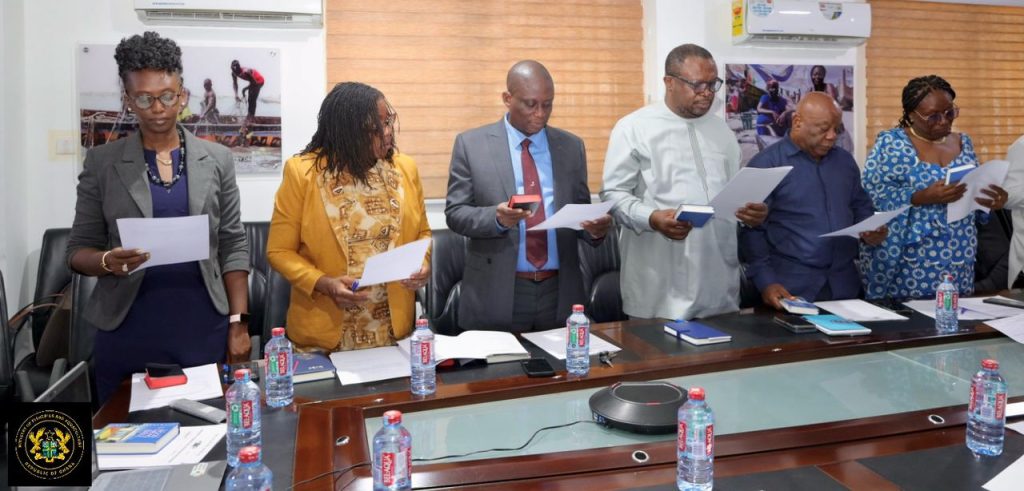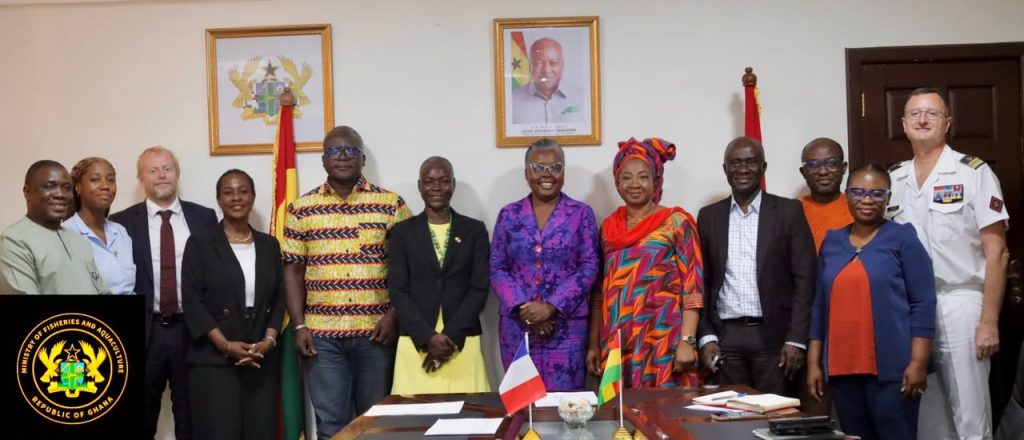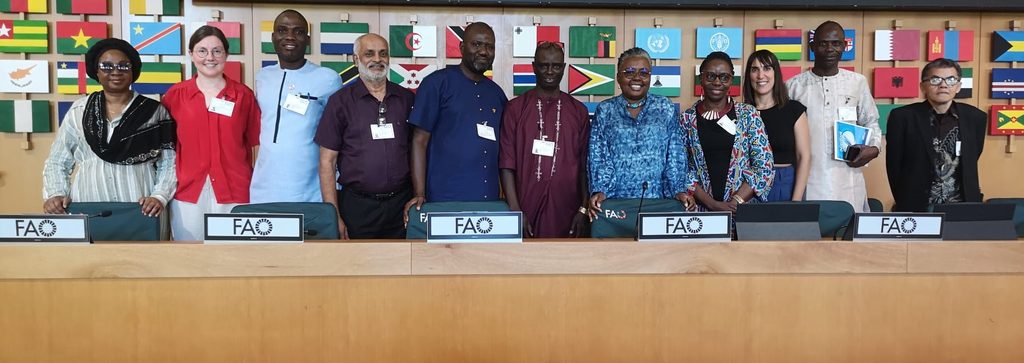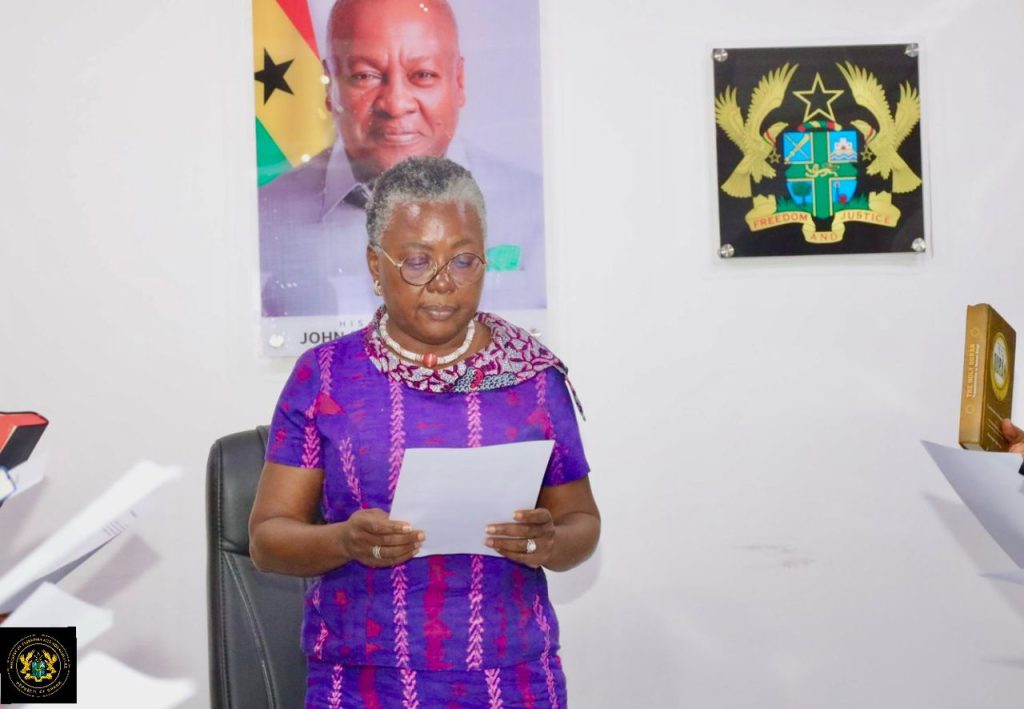
The Minister for Fisheries and Aquaculture, Emelia Arthur, has officially sworn in a new 12-member Board of the Fisheries Commission, marking a significant step in the implementation of the country’s updated fisheries governance framework under the new Fisheries Act 1146.
The reconstitution of the Board follows provisions in the new law, which expands institutional representation to strengthen oversight and ensure a more coordinated approach to managing Ghana’s fisheries resources.
Speaking at the inauguration ceremony, the Minister underscored the importance of the Board’s role, describing their appointment as “not just administrative, but a national calling.” She urged members to uphold the highest standards of accountability, demonstrate strong environmental stewardship, and commit to advancing Ghana’s Blue Economy agenda.
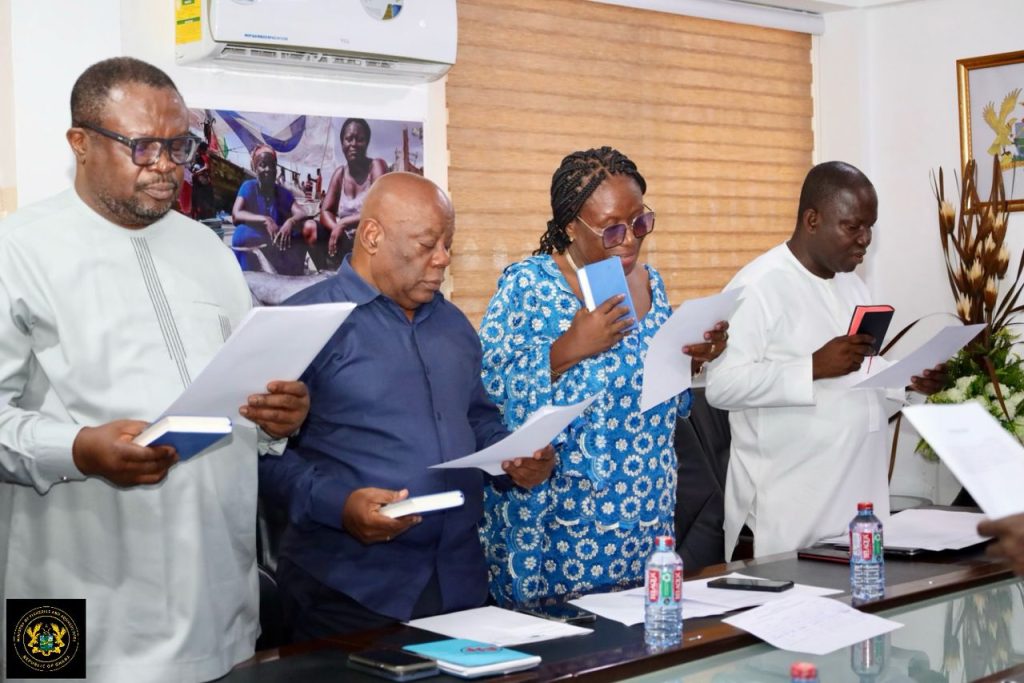
According to her, the Board is expected to champion a vision of a sustainable, well-governed, and resilient fisheries sector—one that supports food security, creates decent jobs, and contributes meaningfully to national economic growth.
The newly inaugurated Board is chaired by Prof. Wisdom Akpalu and brings together representatives from key state institutions and industry stakeholders.
Other members include:
* Dr. Afisah Zakariah, representing the Ministry of Fisheries and Aquaculture
* Prof. Benjamin Betey Campion, representing the Fisheries Commission
* Mubarick Masawudu, representing the Ghana Maritime Authority
* Commodore Ben Baba Abdul, representing the Ghana Navy
* Eric Ken Winful, representing the Ghana Police Service
* Esi Nana Nerquaye-Tetteh, representing the Environmental Protection Authority
* Stephen Yeboah Ampiaw, representing the Ghana Ports and Harbours Authority
* Ruby Asmah, representing the Fisheries and Aquaculture Research Institute
* Esi Biney, representing Water Resources
* Emmanuel Allegye-Cudjoe, representing the Veterinary Services Directorate
* Frank Kwesi Alhoon, representing the Ghana Tuna Association
The diverse composition of the Board is expected to enhance inter-agency collaboration and bring technical expertise to bear on critical issues such as sustainable fisheries management, marine conservation, and industry regulation.
With its mandate now in force, the Board is set to play a pivotal role in shaping policy direction and ensuring the long-term sustainability of Ghana’s fisheries sector.